How much gravel do you need for your project?
Volume is the key number, not just area
Gravel is sold and delivered by volume, typically cubic yards or cubic metres, so this calculator multiplies your area in square feet or square metres by your desired depth to get the volume you need, then converts that into an estimated weight or number of truckloads. A driveway path, a drainage bed, and a decorative ground cover layer all call for different depths, so pick a depth that matches your project rather than a generic default.
A typical gravel driveway base runs 4 to 6 inches (about 10 to 15 centimetres) deep, while a decorative mulch-replacement layer around plantings is often only 2 to 3 inches (about 5 to 8 centimetres), and getting the depth right has a bigger effect on total volume than most people expect.
Gravel type affects both price and coverage
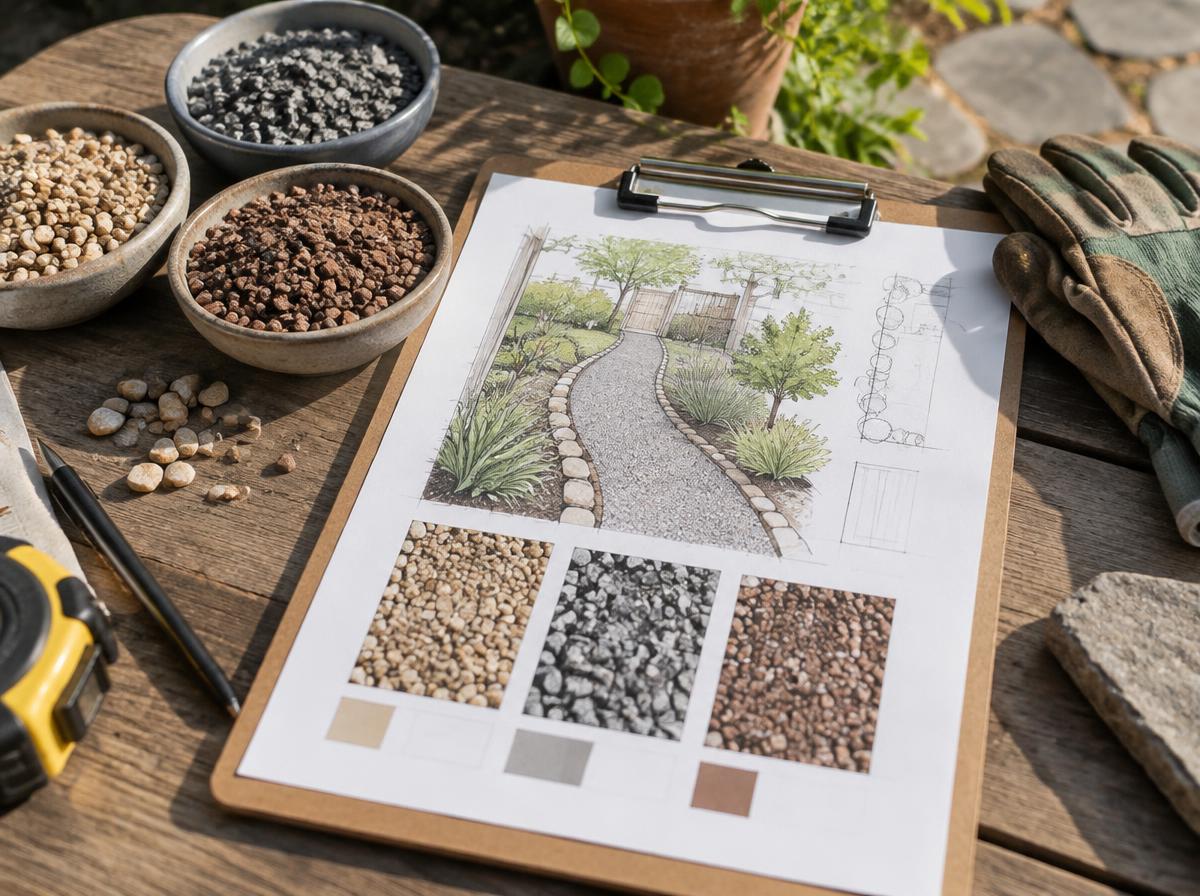
Crushed stone, pea gravel, river rock and recycled concrete aggregate all price differently per ton or cubic yard, and some types compact more densely than others, which changes how far a given volume actually spreads. If you already have a price quote from a local quarry or landscape supplier, use the custom amount option so the estimate reflects your real delivered price rather than a generic average.
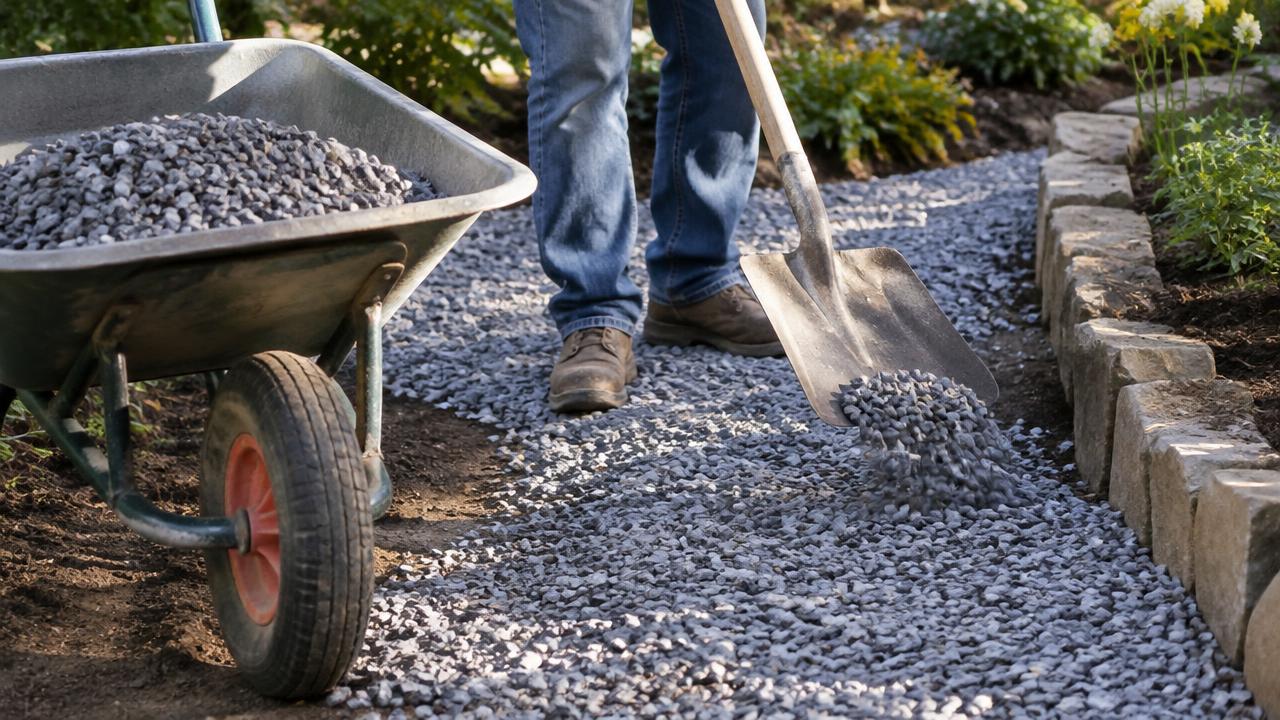
Angular crushed stone generally locks together and compacts better for driveways and bases, while rounded pea gravel and river rock are usually chosen for walkways and decorative beds where a firm, compacted surface matters less.
Delivery minimums and bulk versus bagged
Most quarries and landscape yards sell gravel in bulk by the ton with a delivery minimum, which can make small projects relatively more expensive per unit than large ones, while bagged gravel from a home improvement store costs more per unit but has no delivery minimum and suits small jobs like filling a few potholes or topping off a border.
Always order a small cushion over your calculated volume, since spreading and compacting gravel reduces its measured volume somewhat and running short mid-project means a second delivery charge.
Fitting gravel into a larger project
Gravel is often just one material in a bigger hardscaping job, sitting underneath pavers, lining a French drain, or filling a fire pit base, so pair this calculator with our patio paver calculator or landscaping cost calculator when gravel is only part of the picture. For a driveway, also check local codes, since some municipalities limit or regulate gravel driveways differently from paved ones.
If drainage is a concern, a geotextile fabric laid beneath the gravel layer helps prevent it from sinking into the soil over time and is a small additional cost worth including in your budget.
How it's calculated
We calculate the volume from area times depth, then convert to weight using an average gravel density of about 1.4 tons per cubic yard (1.65 tonnes per m³), and multiply by your price per ton.
Worked example
A 30x10 ft driveway area at 4 in depth: 100 cu ft = 3.7 cu yd, about 5.2 tons of gravel, roughly $260 delivered at $50/ton.
Frequently asked questions
+How many tons of gravel do I need per square foot?
As a rule of thumb, 1 ton of gravel covers about 100 sq ft at 2 inches deep, less coverage at greater depths.
+What depth of gravel do I need for a driveway?
Most driveways use 4-6 inches of crushed stone base, sometimes in two compacted layers of coarse stone topped with finer gravel.
+Does gravel density vary by type?
Yes, crushed stone, pea gravel and river rock all have slightly different densities; 1.4 tons per cubic yard is a reasonable average for estimating.
+Should I order extra gravel?
Order about 10% extra to allow for settling and an uneven sub-base, especially for larger driveway projects.
+Can I enter my own gravel price?
Yes. Choose "Custom amount" under gravel price and enter your local delivered price per ton or tonne.