How much grout and thinset do you need for a tile job?
Two separate materials with two separate formulas
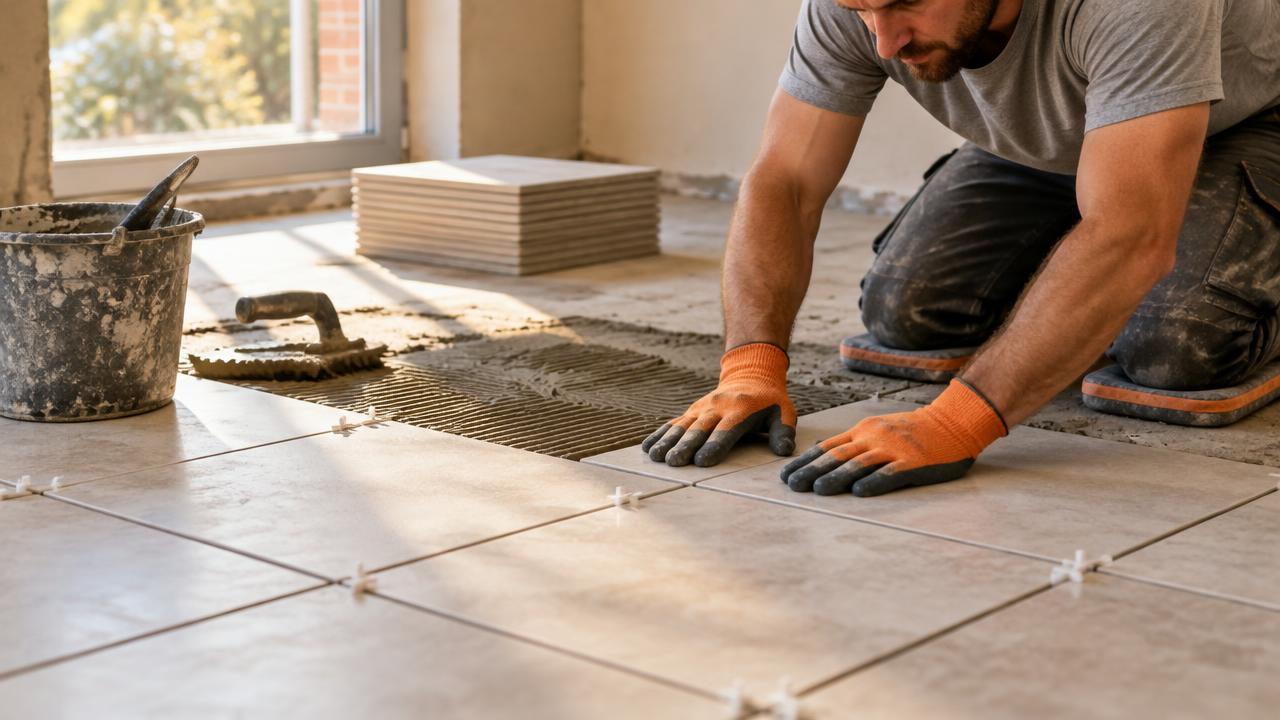
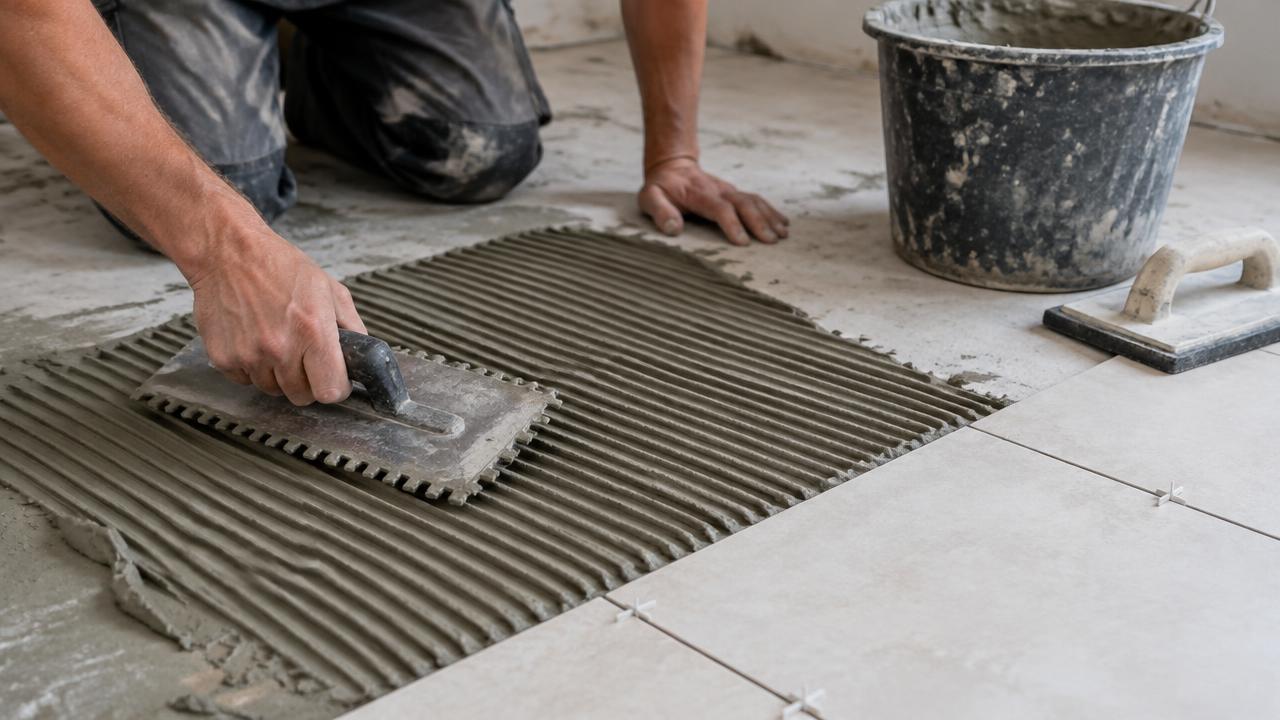
Thinset is the adhesive layer that bonds tile to the substrate, and grout is the material that fills the joints between tiles once they are set, so they are calculated differently even though both are sold in similar-looking bags. Thinset coverage depends mainly on the size of trowel notch used and the tile area, while grout coverage depends on tile size, joint width and joint depth, since a large tile with narrow joints uses far less grout than a small mosaic tile with the same square footage.
This calculator asks for your tile area in square feet or square metres along with your tile dimensions and joint width, then estimates both the thinset and grout quantities separately so you can buy the right amount of each rather than guessing from a single combined figure.
Why tile size changes the grout number so much
Small tiles, such as a 2 inch by 2 inch (about 5 by 5 centimetre) mosaic, have far more linear feet of joint per square foot of floor than a large format 24 inch by 24 inch (about 60 by 60 centimetre) porcelain tile, which means the mosaic needs significantly more grout for the same covered area. Joint width compounds this effect: doubling the joint width roughly doubles the grout volume needed for the same tile layout, which is why a wide grout line on a small tile is one of the most grout-hungry combinations possible.
Sanded grout is generally used for joints wider than about 1/8 inch (roughly 3 millimetres) and unsanded grout for narrower joints, and the two are not interchangeable in coverage charts, so confirm which type your tile and joint width call for before ordering.
Buying a bit extra, but not too much
Both thinset and grout should be ordered with a modest waste allowance, typically 10 percent, to cover mixing loss, trowel ridges that get reworked, and the material left in the bucket at the end of a job. Grout in particular is worth slightly overbuying within the same dye lot, since color can vary slightly between production batches and a later top-up bag may not match exactly.
If your tile setter or supplier has quoted you a price per bag or per square foot that differs from generic retail pricing, use the custom amount option in the calculator so your material cost reflects the actual quote rather than a generic average.
Fitting it into the bigger tiling budget
Thinset and grout are usually a small fraction of a tiling project's total cost compared with the tile itself and the labor to lay it, but running out partway through a job can delay the project and risks a visible seam if you have to restart mid-pour with a new batch. Our flooring cost calculator and countertop cost calculator can help you estimate the rest of a tile or stone project alongside this material-specific tool.
Large format tile, natural stone and heated floor installations sometimes call for modified or specialized thinset formulations, so check the tile manufacturer's installation guidance before buying a generic product.
How it's calculated
Thinset coverage per bag depends on trowel notch size (bigger notches use more mortar). Grout quantity uses tile size and joint width: smaller tiles and wider joints need more grout per square foot because there is more joint length relative to tile face. Results are rounded up to full bags.
Worked example
150 sq ft of 12x12 in tile with a 1/8 in joint and a standard 1/4 x 3/8 in notch trowel: roughly 2 bags of thinset and 2-3 bags of grout, around $70-90 in materials.
Frequently asked questions
+Why does trowel notch size matter for thinset?
A bigger notch leaves more mortar ridges on the floor, which means more material is used per square foot once the tile is set and the ridges collapse.
+Why do smaller tiles need more grout?
Smaller tiles have more total joint length per square foot of floor, so the grout volume per square foot goes up even at the same joint width.
+Should I buy sanded or unsanded grout?
Use sanded grout for joints 1/8 in (3 mm) and wider; unsanded grout is typically used for narrower joints and polished stone that could scratch.
+How much extra should I buy?
These numbers already round up to the next full bag; buying one extra small bag of grout is wise in case of color-matching issues later.
+Can I enter my own material price?
Yes. Choose "Custom amount" under material price and enter the average price per bag you're paying.