How much insulation do you need to hit your R-value target?
R-value targets depend on climate and location in the house
Insulation is rated by R-value, a measure of resistance to heat flow, and the target R-value for your project depends on where in the house you are insulating and what climate zone you live in. Attics typically need the highest R-value in a home because heat rises and escapes most readily through the roof, while exterior walls and floors over unheated spaces need somewhat less. A home in a cold northern climate needs a noticeably higher R-value than the same assembly in a mild coastal climate to achieve similar comfort and energy performance.
This calculator takes the area you are insulating and your target R-value, then works out how much product you need, whether you are measuring in square feet in the US or square metres elsewhere.
Batts, rolls or blown-in
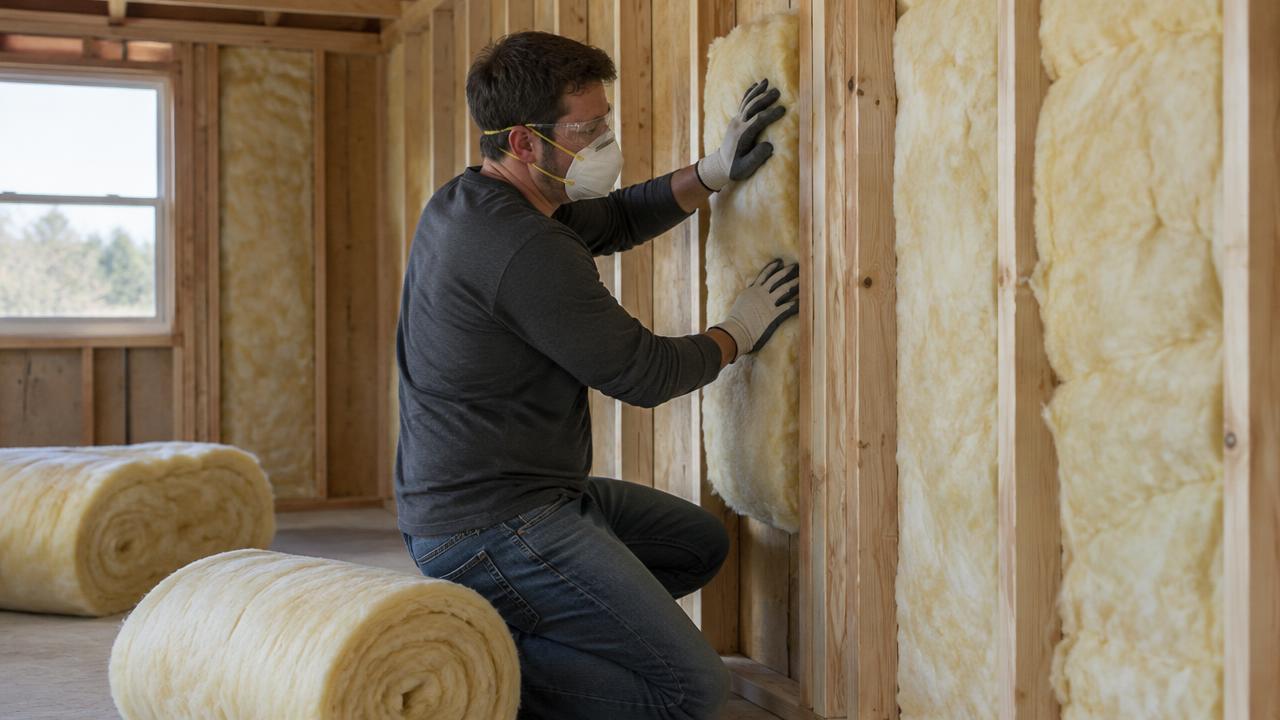
Fiberglass or mineral wool batts and rolls are the most common choice for open wall cavities, floor joists and simple attic floors, and they are sized to fit standard stud and joist spacing. Blown-in insulation, usually fiberglass or cellulose, is better suited to irregular attic spaces, around obstructions, and topping up existing insulation that has settled or compacted over the years, since it can fill gaps that rigid batts cannot reach.
The calculator estimates the number of bags needed for blown-in insulation or the number of rolls or batts for batt insulation, based on the coverage figures printed on typical product packaging, but always check the actual coverage chart on the bag or roll you buy, since it varies by brand and by the R-value per inch of that specific product.
Do not forget air sealing
Insulation slows heat transfer through a material, but it does nothing to stop air leaking through gaps, cracks and penetrations around pipes, wiring and recessed lighting. A well-insulated attic with poor air sealing underneath can still perform poorly, because warm air escapes straight through the gaps before the insulation gets a chance to do its job. Many energy auditors recommend air sealing first and insulating second, since insulating over unsealed leaks wastes some of the insulation's potential benefit.
If your local supplier prices insulation per bag or per roll differently from the calculator's defaults, use "Custom amount" to enter your actual quoted price and get a more accurate material cost.
Budgeting the whole job
Insulation upgrades are often done alongside other energy improvements like air sealing, weatherstripping and attic ventilation checks, so use our renovation budget calculator to capture the full scope of an energy retrofit rather than just the insulation line. Many regions also offer rebates or incentives for insulation upgrades that are worth checking before you buy.
Required R-values are set by local building codes and vary by climate zone, so confirm the correct target for your area with a qualified insulation contractor or energy auditor before purchasing material.
How it's calculated
We add your waste allowance to the area and divide by the coverage of one pack, roll or bag, rounding up. Coverage depends on product and thickness, so check the label of the exact product you buy and adjust if it differs.
Worked example
1,000 sq ft of attic floor with blown-in insulation at about 35 sq ft per bag for R-38: 1,000 × 1.10 = 1,100 sq ft ÷ 35 = 32 bags, about $1,600 at $50 per bag.
Frequently asked questions
+What R-value do I need?
It depends on climate and location in the house. Attics in cold regions often target R-49 to R-60; walls commonly use R-13 to R-21. Check your local energy code.
+Batts or blown-in for an attic?
Blown-in fills gaps around joists and obstructions better and is fast with a rented machine. Batts suit open, regular joist spacing.
+Can I add new insulation on top of old?
Usually yes, if the old insulation is dry and not contaminated. Never cover recessed lights that are not rated for insulation contact.
+Why does coverage vary so much?
Thicker insulation for a higher R-value covers less area per bag. Always use the coverage chart on the product label.
+Can I enter my own price?
Yes. Choose "Custom amount" and enter the price per pack or bag from your store.