How much does a new driveway cost?
Material choice is the biggest cost driver
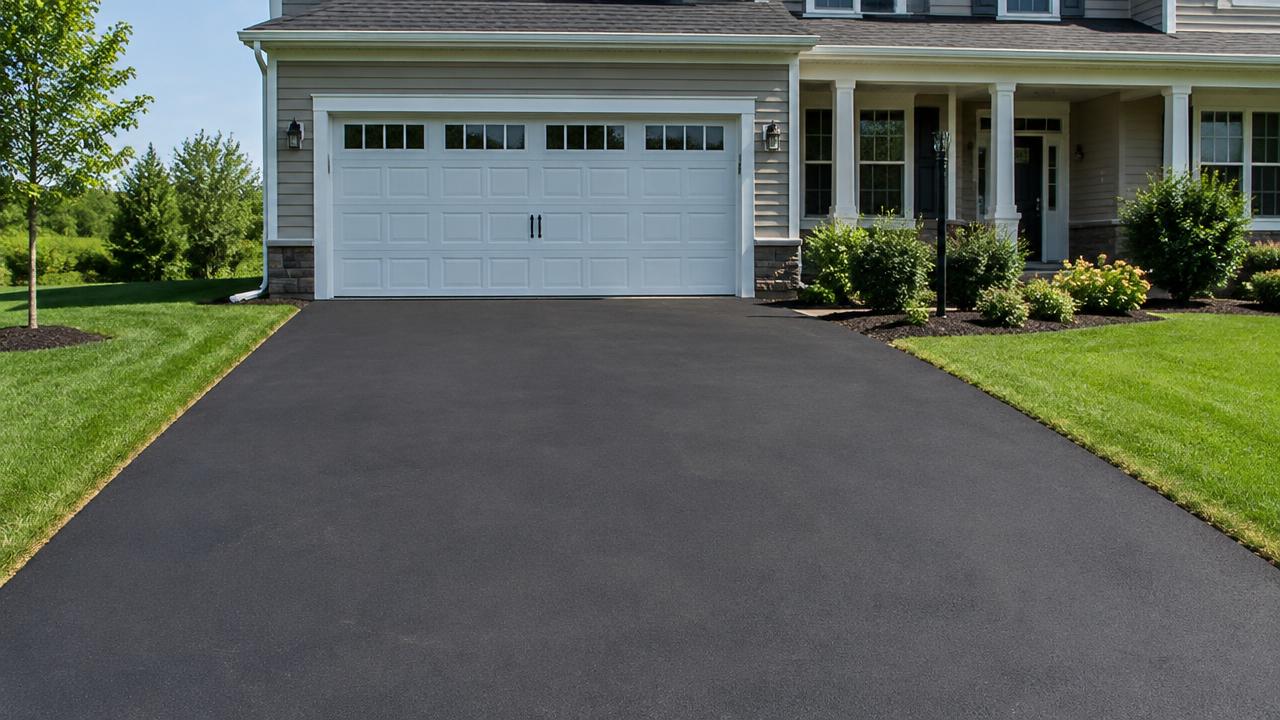
Asphalt, concrete, gravel and pavers all price very differently per square foot, and this calculator multiplies your driveway's area, in square feet or square metres, by a rate tied to the material you select. Asphalt is typically the least expensive paved option and is common in colder climates where it can flex with freeze-thaw cycles, concrete generally costs more but lasts longer and offers a cleaner look, and pavers sit at the higher end but allow for decorative patterns and easier individual-section repairs.
If you already have a paving contractor's quote, switch to the custom amount option and enter your own price per square foot or square metre so the estimate matches your real numbers.
Site prep and base work matter as much as the surface
Before any surface material goes down, the existing driveway may need to be removed and hauled away, and the subgrade needs to be graded and compacted, often with a gravel base layer beneath asphalt or pavers. Steep or poorly draining sites sometimes need additional grading or a drainage solution, which adds cost beyond the basic per-square-foot rate for the surface material.
A driveway's thickness also affects cost and durability: a driveway built to handle only passenger cars can be thinner than one that needs to support a heavy RV or delivery trucks regularly.
Size and shape beyond the simple rectangle
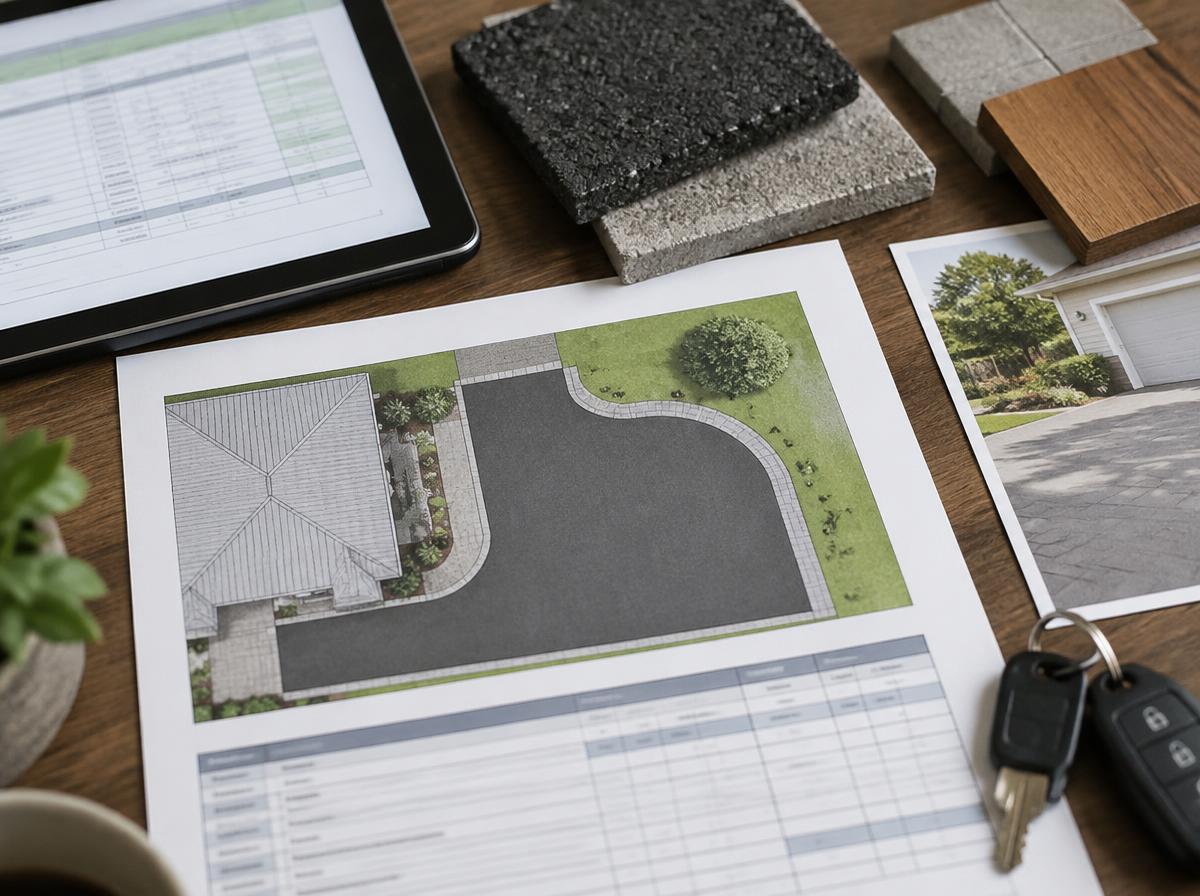
A long, straight driveway is the simplest shape to price, but curves, a turnaround area, or a width wide enough for two cars side by side all add square footage and sometimes additional labor complexity around compaction and finishing. Measure your actual driveway footprint carefully, including any widened sections near the garage, rather than relying on a rough guess.
Decorative elements like a stamped or stained concrete finish, or a paver border inset into an asphalt driveway, are typically priced as upgrades on top of the base per-square-foot rate.
Maintenance and long-term cost
Asphalt driveways typically need sealcoating every few years to extend their life, while concrete needs less routine maintenance but can be more expensive to repair if it cracks. Factor these ongoing costs into your decision alongside the upfront number from this calculator, since the cheapest material to install is not always the cheapest option over a decade or two.
Our concrete calculator and patio paver calculator can help you dig deeper into material-specific quantities if you want a more detailed estimate once you've settled on a surface type.
How it's calculated
We multiply your driveway area by a typical installed cost per square foot or m² for the chosen surface material, adjusted for your region, then show a common cost breakdown across prep, paving and finishing.
Worked example
A 600 sq ft driveway in plain concrete in an average-cost area: 600 × $8 = $4,800, with about $1,200 going to excavation and base prep.
Frequently asked questions
+Is asphalt or concrete cheaper for a driveway?
Asphalt is usually less expensive to install, but concrete typically lasts longer and needs less frequent resurfacing or sealing.
+How thick should a driveway slab be?
4 inches of concrete is standard for cars; use 5-6 inches with reinforcement if trucks or RVs will use the driveway.
+Does climate affect material choice?
Yes, asphalt softens in very hot climates and concrete can suffer freeze-thaw damage without proper air-entrainment and a solid base in cold climates.
+How long does a new driveway last?
Asphalt typically lasts 15-20 years with resealing, while concrete can last 30+ years with proper joints and maintenance.
+Can I enter my own material cost?
Yes. Choose "Custom amount" under surface material and enter your contractor's quoted rate per square foot or m².