How much does a new fence cost per linear foot or metre?
Fencing is priced by length, and material changes the rate a lot
Fence cost is usually quoted per linear foot or per linear metre, which makes it one of the more straightforward renovation costs to estimate once you know the perimeter you need to enclose. Wood fencing is a common mid-priced choice, with the cost depending on the style, height and the type of wood. Chain-link is typically the least expensive option per foot and is popular for simple boundary and security fencing. Vinyl fencing costs more upfront than wood in most markets but needs no painting or staining over its life, which is worth weighing against the higher initial price.
This calculator multiplies the total fence length by a cost per linear foot or metre for your chosen material, giving you a baseline you can compare against local quotes.
Posts and gates add up separately
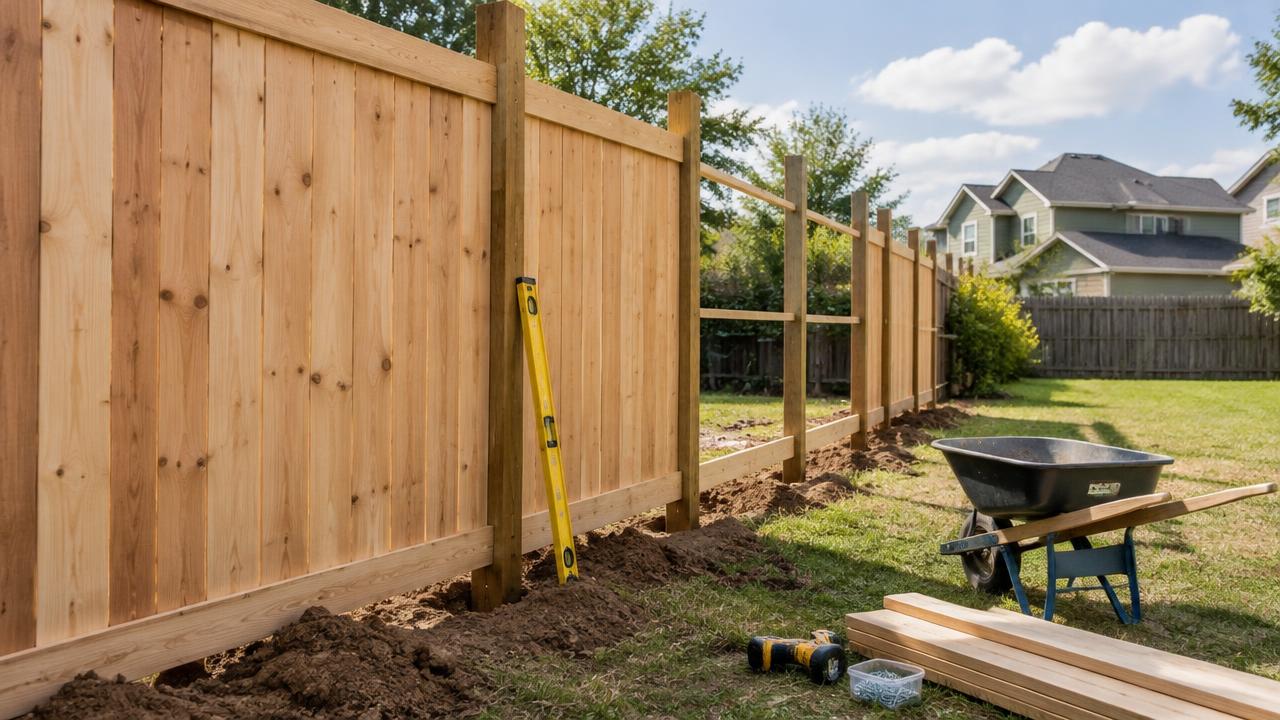
Fence posts are usually priced and spaced differently from the fencing panels themselves, commonly set every 6 to 8 feet, or roughly 2 metres, depending on the material and local wind loads, and each post typically needs a concrete footing. Gates are priced individually and cost considerably more per linear foot of opening than a standard fence section, since they need hinges, a latch and a frame strong enough to resist sagging over time. If your project includes one or more gates, make sure they are counted separately rather than folded into the general per-foot rate.
Corner posts, end posts and posts on a slope can also need extra bracing or taller footings, which a basic linear-foot estimate will not always capture.
Confirm your property line before you dig
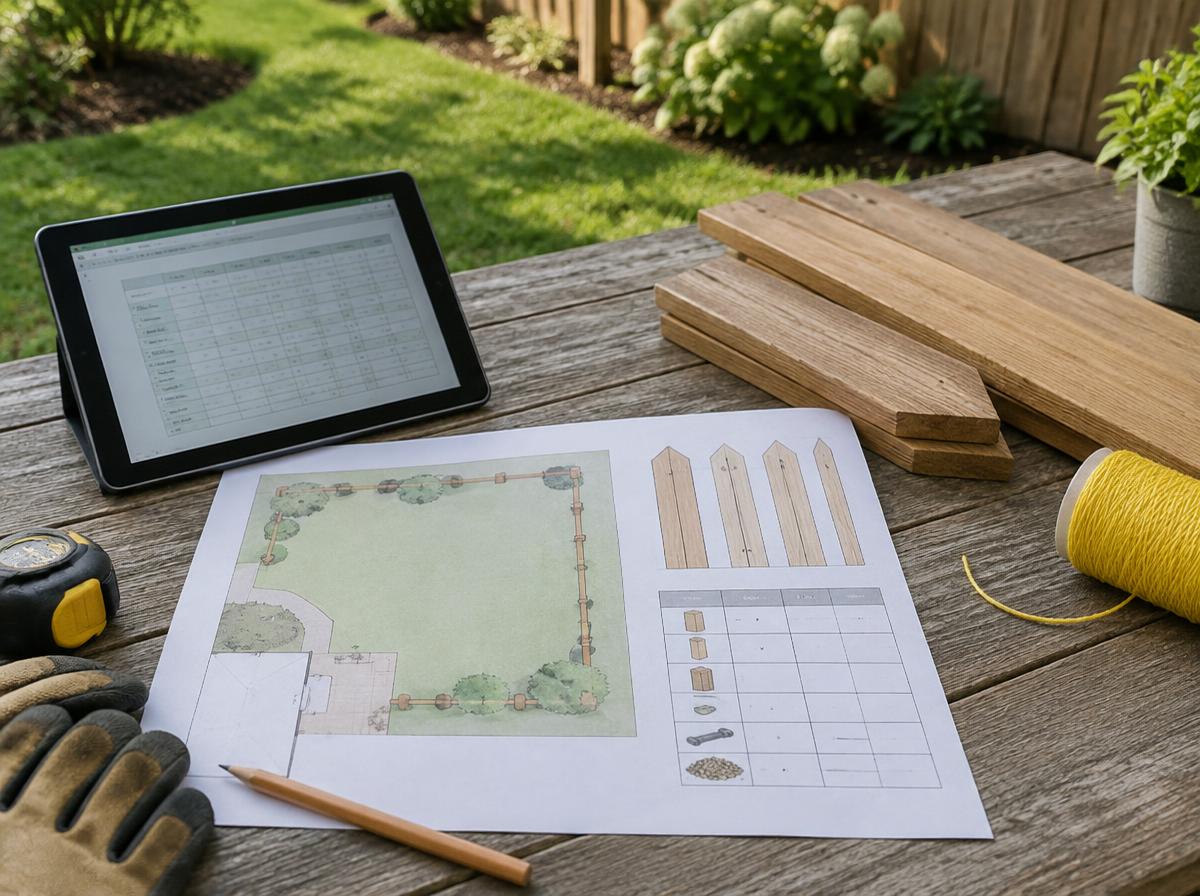
Disputes over fence placement are one of the most common disagreements between neighbors, and building even slightly over a property line can force you to move or remove a newly built fence. Before ordering materials, confirm your property boundaries using your property survey, deed plan or a licensed surveyor if the boundary is unclear, and check local setback rules and any homeowners' association requirements on height, material and style.
Many municipalities also require a permit for fences above a certain height, so check with your local building department before construction begins.
Comparing quotes and planning the budget
Because fence quotes can bundle materials, labor, post footings and gates very differently from one installer to the next, use our contractor quote comparison calculator to line up two or three quotes on the same basis. If you already have a firm per-foot price from a contractor, enter it as "Custom amount" to see how your total compares to the calculator's estimate.
Local frost depth for post footings, wind load rules and height restrictions vary by area, so confirm the specification with a licensed fencing contractor before installation begins.
How it's calculated
Fence length × an installed cost per foot or metre for the material, scaled for height, plus an allowance per gate, then adjusted for your area. Posts are counted at 8 ft (2.4 m) spacing plus one end post.
Worked example
150 ft of 6 ft wood privacy fence with one gate: 150 × $30 = $4,500 + $450 = $4,950, using about 20 posts.
Frequently asked questions
+Which fence material lasts longest?
Vinyl and well-galvanised chain-link need little maintenance. Wood looks natural but needs staining and eventually replacement of boards or posts.
+Do I need a permit for a fence?
Many areas require one, especially above 6 ft (1.8 m) or at the front of a property. HOAs may have their own rules.
+Who pays for a boundary fence?
Rules differ by country and region. Talk to your neighbour first and confirm the property line before building.
+How deep should fence posts be?
A common rule is one-third of the post length in the ground, and below the frost line in cold climates.
+Can I use my own price per foot?
Yes. Choose "Custom amount" under fence material.