How much does it cost to install a fireplace?
Fireplace type is the main cost driver
Wood-burning, gas, and electric fireplaces each have very different installation requirements and costs, and this calculator prices your project based on the type you choose along with whether it's a new installation or a retrofit into an existing opening. A gas fireplace generally costs more to install than electric because it requires a gas line and venting, but it's often less labor-intensive than a masonry wood-burning fireplace built from scratch.
Electric fireplaces are typically the least expensive to install since they only need an electrical outlet and no venting or gas line, making them a common choice for retrofits where running new gas or masonry work isn't practical.
Venting and chimney work add significant cost
A wood-burning fireplace needs a properly built chimney or flue system, and adding one to a home that doesn't already have a chimney is one of the most expensive parts of a new fireplace installation, often rivaling the cost of the fireplace itself. Gas fireplaces typically use a simpler direct-vent system through an exterior wall, which is generally less expensive than a full masonry chimney but still adds meaningfully to the total cost compared with an electric unit.
If you're converting an existing wood-burning fireplace to gas, much of the structural and chimney work may already be in place, which can make the conversion considerably less expensive than a ground-up gas fireplace installation.
Surrounds, mantels, and finishing details
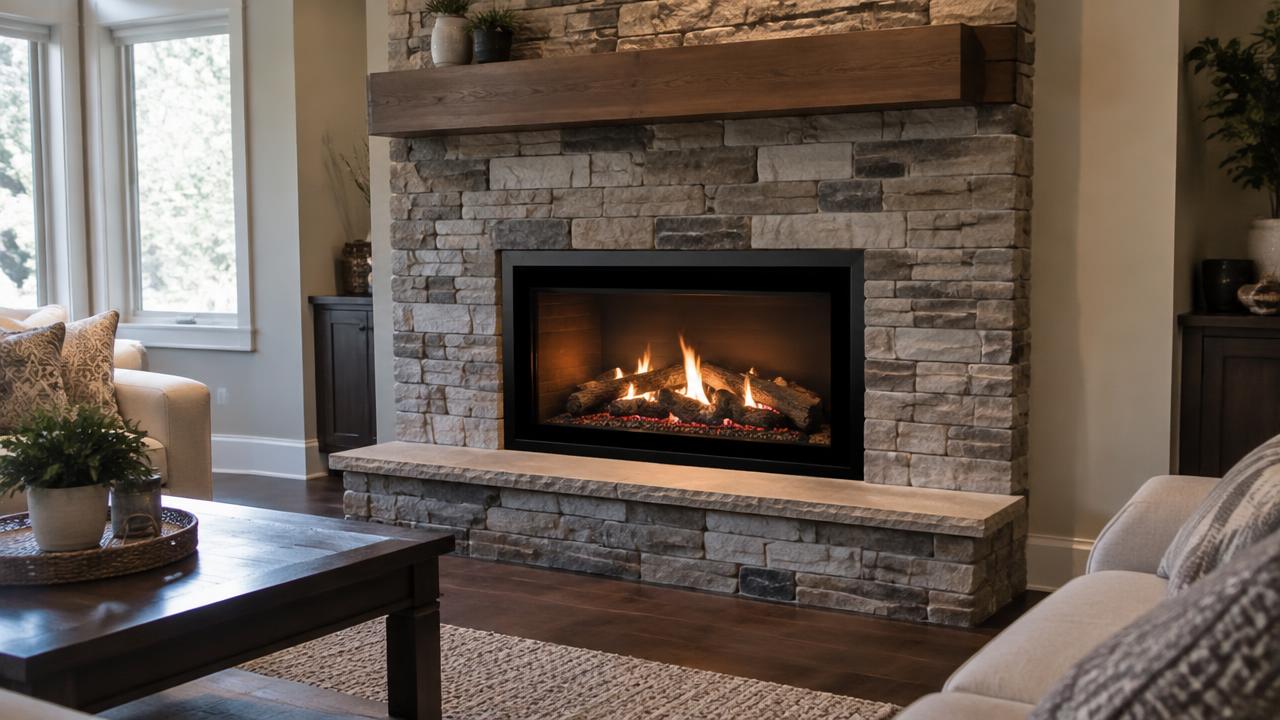
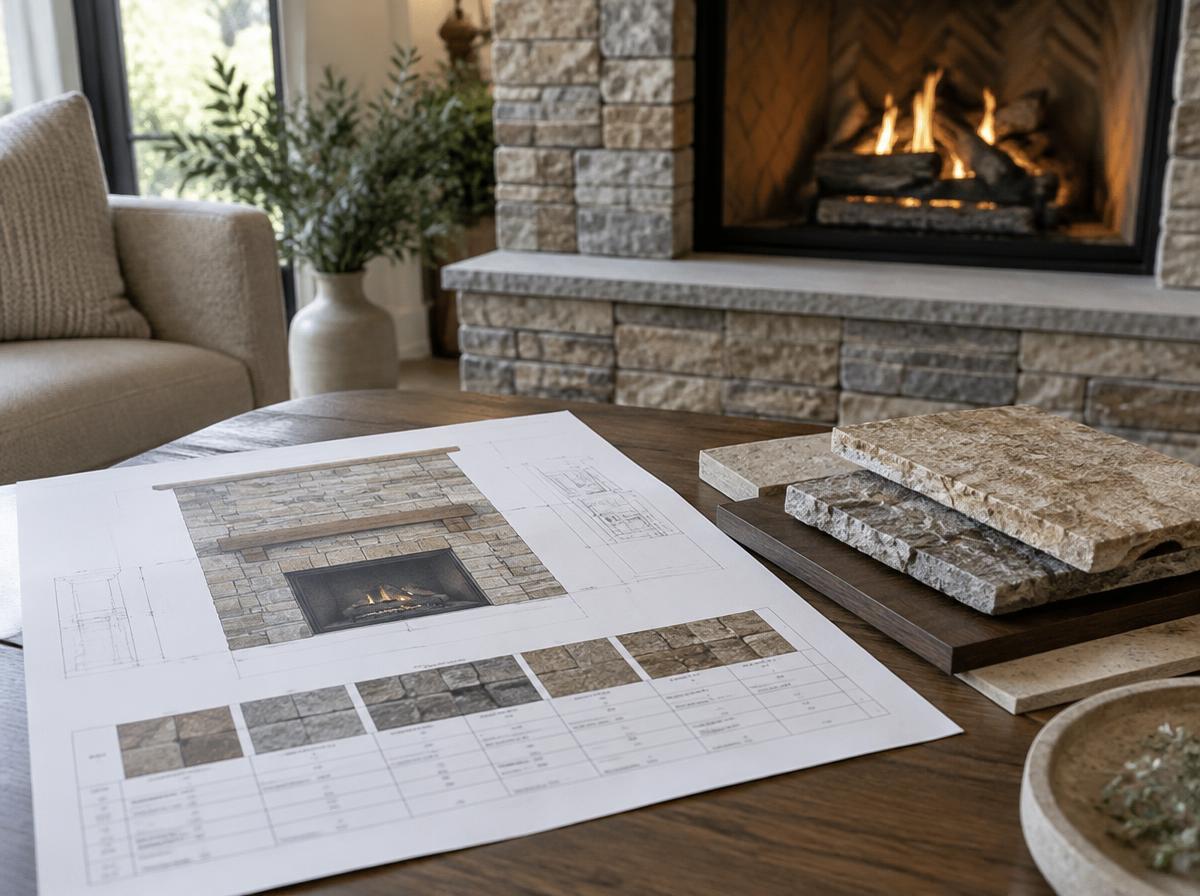
The fireplace unit itself is only part of the total cost. A surround, whether tile, stone, brick, or a wood mantel, is typically priced separately and can range from a modest finishing touch to a significant design investment depending on the materials chosen. Built-in shelving or cabinetry flanking the fireplace is a common add-on that's priced independently of the fireplace installation itself.
If you have a specific contractor quote, use the custom amount option to reflect your actual numbers, since gas line routing, chimney height, and local permit costs can all push a real quote well above a general estimate.
Permits and professional installation
Gas and wood-burning fireplace installations typically require a permit and inspection because of the fire and carbon monoxide safety considerations involved, and a licensed professional should handle gas line connections and venting in nearly all cases. Our hvac replacement cost calculator is worth a look if you're weighing a fireplace as a supplemental heat source alongside your home's primary heating system.
How it's calculated
Fireplace unit cost for the chosen type, plus venting or chimney work if needed, plus an allowance for mantel and surround finishing, all adjusted by your regional factor.
Worked example
A gas insert with a new direct vent in an average-cost area: $3,500 + $1,200 = $4,700, plus about $705 for mantel and surround finishing, totaling around $5,405.
Frequently asked questions
+Gas vs electric vs wood: which is cheapest to install?
Electric inserts are the cheapest and easiest since they need no venting, just an outlet; gas needs a vent line or existing chimney; wood-burning or masonry fireplaces cost the most due to structural and chimney requirements.
+Can I convert a wood fireplace to gas?
Yes, a gas insert can often be installed into an existing masonry fireplace and vented through the existing chimney with a liner, which is usually cheaper than a full chimney chase.
+Do I need a permit for a fireplace installation?
Yes, gas and wood-burning fireplace installations typically require a permit and inspection because of combustion and venting safety.
+How much does a mantel and surround add?
Budget roughly 10-20% of the unit and venting cost for a basic mantel and surround; custom stone or built-in cabinetry surrounds can cost significantly more.
+Can I enter my own unit price?
Yes. Choose "Custom amount" under fireplace type and enter the price from your supplier or contractor quote.