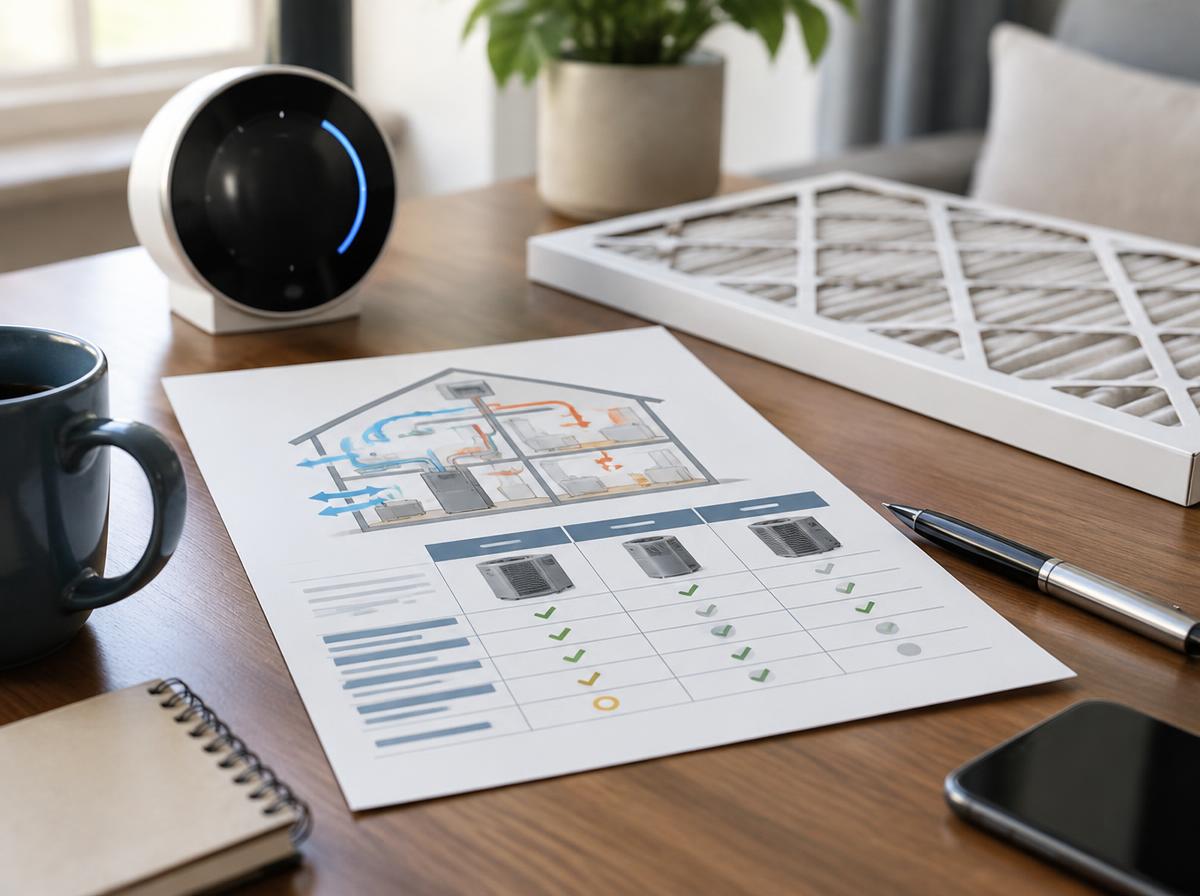
How much does HVAC system replacement cost?
System size and type drive most of the cost
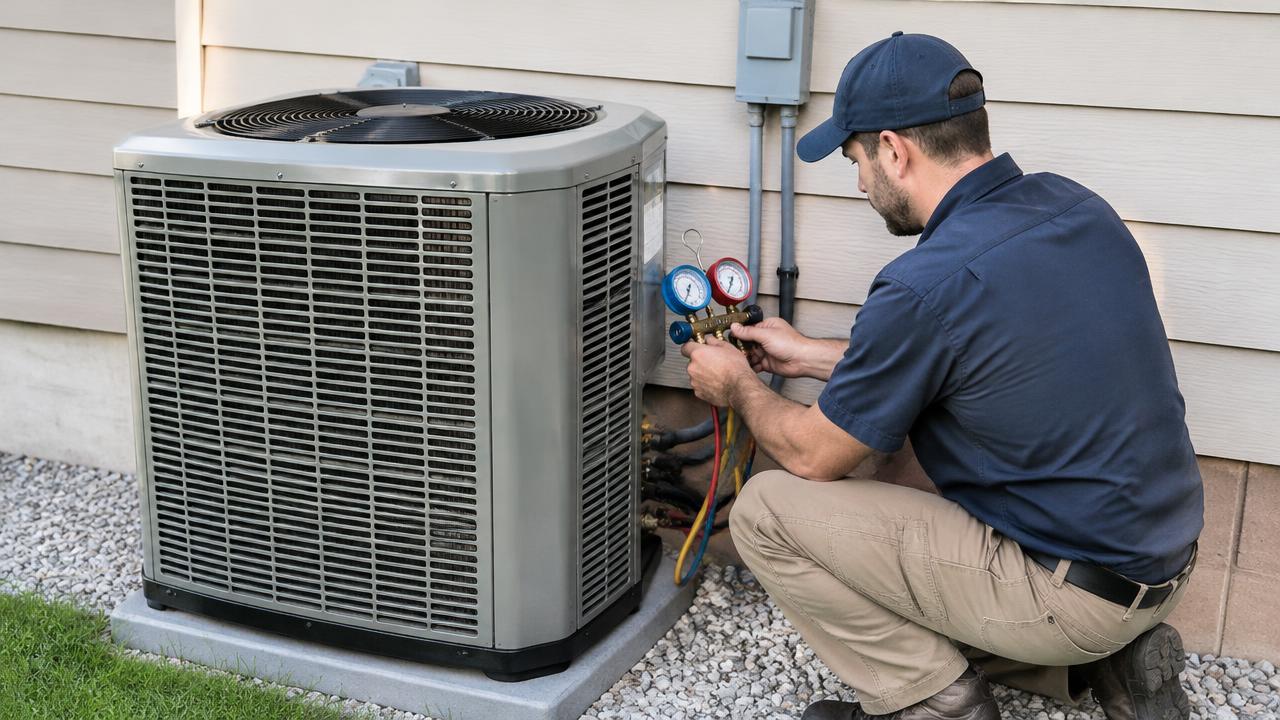
HVAC replacement cost depends heavily on the size of system your home needs, measured in tons of cooling capacity or BTUs, and on the type of system, whether that's a central air conditioner paired with a furnace, a heat pump, or a ductless mini-split setup. This calculator estimates cost based on your home's square footage and system type, since a larger home generally needs a higher-capacity system, though proper sizing really depends on a load calculation rather than square footage alone.
An oversized system cycles on and off too frequently and wastes energy, while an undersized one runs constantly and struggles to keep up on extreme days, so a professional load calculation, not just a square footage estimate, should guide the final equipment size you buy.
Ducted versus ductless, and existing ductwork condition
If your home already has ductwork in reasonably good condition, replacing a central system is usually more straightforward and often less expensive than installing a ductless mini-split system from scratch, while homes without existing ducts, such as additions or older homes with radiant heat, often find mini-splits more cost-effective than installing new ductwork. Damaged, leaky, or undersized existing ductwork is a common hidden cost, since repairing or replacing it adds to the overall project beyond the equipment itself.
Heat pump systems, which both heat and cool, generally cost more up front than a separate furnace and air conditioner but can simplify the system down the road and may qualify for efficiency rebates depending on your location.
Efficiency ratings affect price and operating cost
Higher efficiency ratings, such as a higher SEER rating for cooling or AFUE for gas furnaces, generally cost more to purchase but lower monthly energy bills over the system's lifespan, so it's worth weighing the higher upfront cost against expected energy savings for your climate and usage. Utility rebates and manufacturer incentives can meaningfully offset the price difference between a standard and a high-efficiency unit, so check what's available in your area before deciding.
If you already have a contractor's quote, use the custom amount option to enter your actual price, since regional labor rates and system availability can move real quotes well outside a general estimate.
Timing the replacement
Replacing an HVAC system before a complete breakdown, rather than during a mid-summer or mid-winter emergency, generally gives you more time to compare quotes and can avoid rushed decision-making under pressure. Our electrical rewiring cost calculator and attic conversion cost calculator are worth checking if your HVAC replacement is part of a broader home systems upgrade.
How it's calculated
Conditioned area × a typical all-in cost per sq ft or m² for the chosen efficiency tier, adjusted by a system-type multiplier (a heat pump replaces both heating and cooling) and your regional factor.
Worked example
A 2,000 sq ft home getting a high-efficiency furnace + AC combo in an average-cost area: 2,000 × $6.50 × 1.0 = $13,000.
Frequently asked questions
+How long does a typical HVAC system last?
Furnaces typically last 15-20 years and AC units 12-15 years; if your system is near that age and needs frequent repairs, replacement is usually more cost-effective.
+Is a heat pump worth the extra upfront cost?
In moderate climates, heat pumps can cut energy bills significantly and replace both a furnace and AC, which can offset the higher upfront cost over time.
+Do I need a permit for HVAC replacement?
Yes, most jurisdictions require a permit and inspection for HVAC replacement, particularly for gas furnaces and any ductwork changes.
+What size unit do I need?
Proper sizing depends on a load calculation (Manual J), not just square footage; an oversized or undersized unit wastes energy and wears out faster.
+Can I enter my own cost per square foot?
Yes. Choose "Custom amount" under efficiency/grade and enter the rate from your contractor's quote.