How much does popcorn ceiling removal cost?
Test for asbestos before you budget anything else
Before estimating removal cost, homes with popcorn ceilings installed before the early 1990s should have the texture tested for asbestos, since asbestos was a common additive in ceiling texture products until it was phased out. A simple lab test on a small sample, often available through a local environmental testing lab, is inexpensive relative to the cost of removal and changes the entire scope of the project if asbestos is present.
If asbestos is confirmed, removal generally must be handled by a licensed abatement contractor following specific safety procedures, which costs considerably more than a standard scrape-and-skim job, so don't skip this step even if it adds time to your planning process.
Area-based pricing for non-asbestos ceilings
Assuming the texture tests clear, this calculator prices the job based on ceiling area, in square feet or square metres, since removal, cleanup, and refinishing labor all scale with the amount of ceiling being treated. A small single room costs much less in total than a whole-house job, but the per-square-foot rate on a small job often runs higher because setup, plastic sheeting, and cleanup take a similar amount of time regardless of room size.
Ceilings in good, dry condition are generally easier and cheaper to scrape than ones that have experienced water damage, since damaged texture can be harder to remove cleanly and may reveal drywall repairs that need to be addressed first.
What's included beyond the scraping itself
After the texture is scraped off, most ceilings need a skim coat of joint compound to smooth out the surface, followed by sanding, priming, and at least one coat of paint, and all of these steps are typically priced together with removal rather than as fully separate jobs. Furniture moving, floor protection, and the dust and debris cleanup that comes with scraping a textured ceiling are also worth confirming are included in any quote.
If your contractor has quoted you a flat price or a different rate structure than a simple per-square-foot number, use the custom amount option to reflect your actual quote.
Weighing diy against hiring a pro
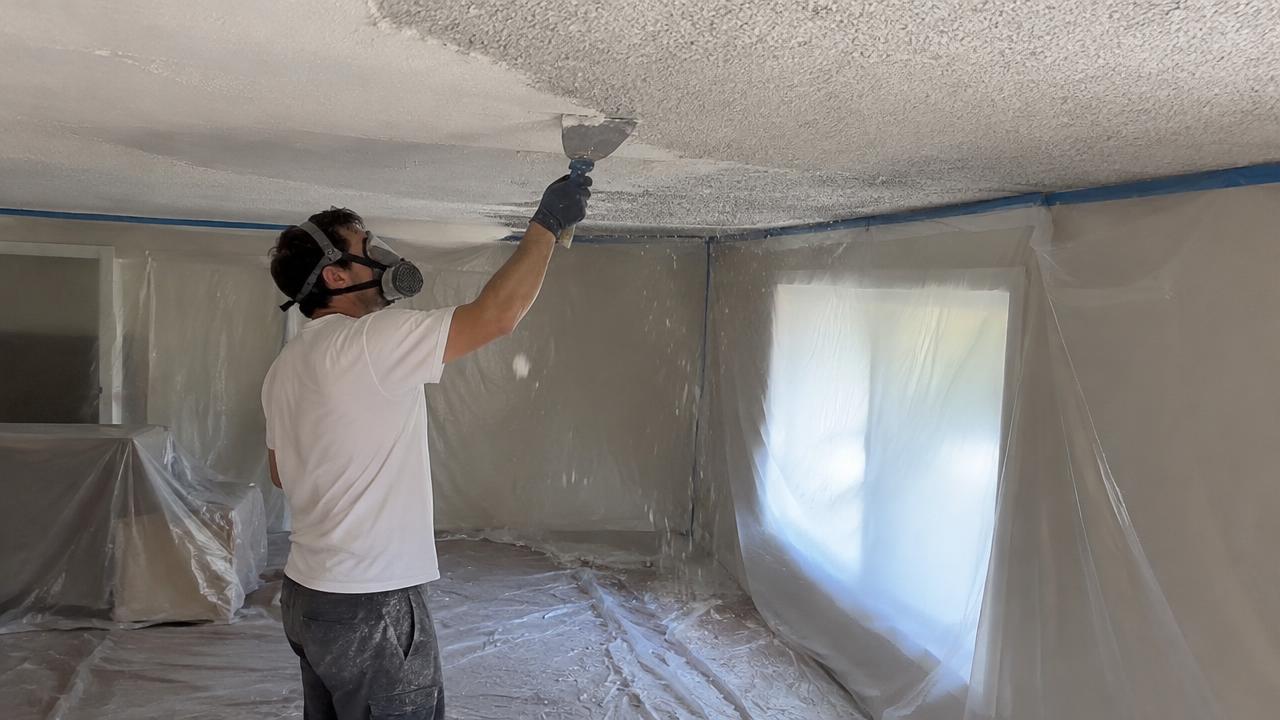
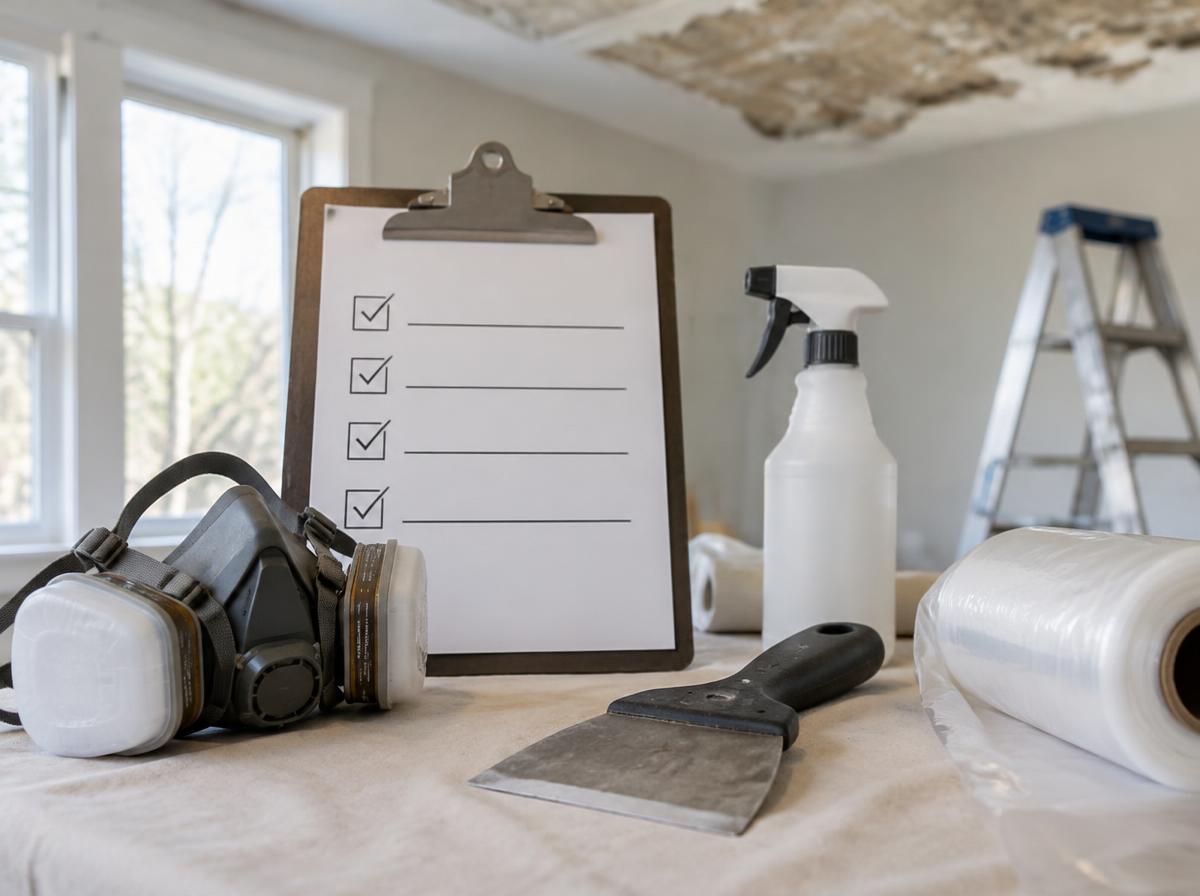
Scraping a popcorn ceiling yourself on a confirmed asbestos-free ceiling can save on labor cost, but it is a genuinely messy job that benefits from proper plastic sheeting, protective gear, and patience, and a skim coat finished to a smooth, paint-ready surface takes practice to do well. Our interior paint cost calculator can help you budget the painting phase once the ceiling texture itself has been dealt with.
How it's calculated
We multiply ceiling area by a per-square-foot (or per-m²) cost for your chosen removal method, adjusted for refinish type and your region. Testing for homes built before 1990 is strongly recommended before any scraping begins.
Worked example
A 1,000 sq ft home with professional scrape and a smooth painted refinish in an average area: 1,000 × $1.75 = $1,750 total.
Frequently asked questions
+Could my popcorn ceiling contain asbestos?
Homes with popcorn ceilings applied before the early-to-mid 1990s may contain asbestos; have a sample tested by a lab before any DIY scraping.
+Can I remove popcorn ceiling myself?
Yes, if testing confirms no asbestos, using a garden sprayer to wet the texture before scraping makes DIY removal much easier and less dusty.
+Is skim coating required after scraping?
Usually a light skim coat or at least patching and sanding is needed to smooth the ceiling before priming and painting.
+How messy is popcorn ceiling removal?
Very messy: plan to fully cover floors and furniture with plastic sheeting since wet texture scrapings get everywhere.
+Can I enter my own removal cost per square foot?
Yes. Choose "Custom amount" under removal method and enter your contractor's quoted rate.