How much does new siding cost per square?
Siding squares and wall area
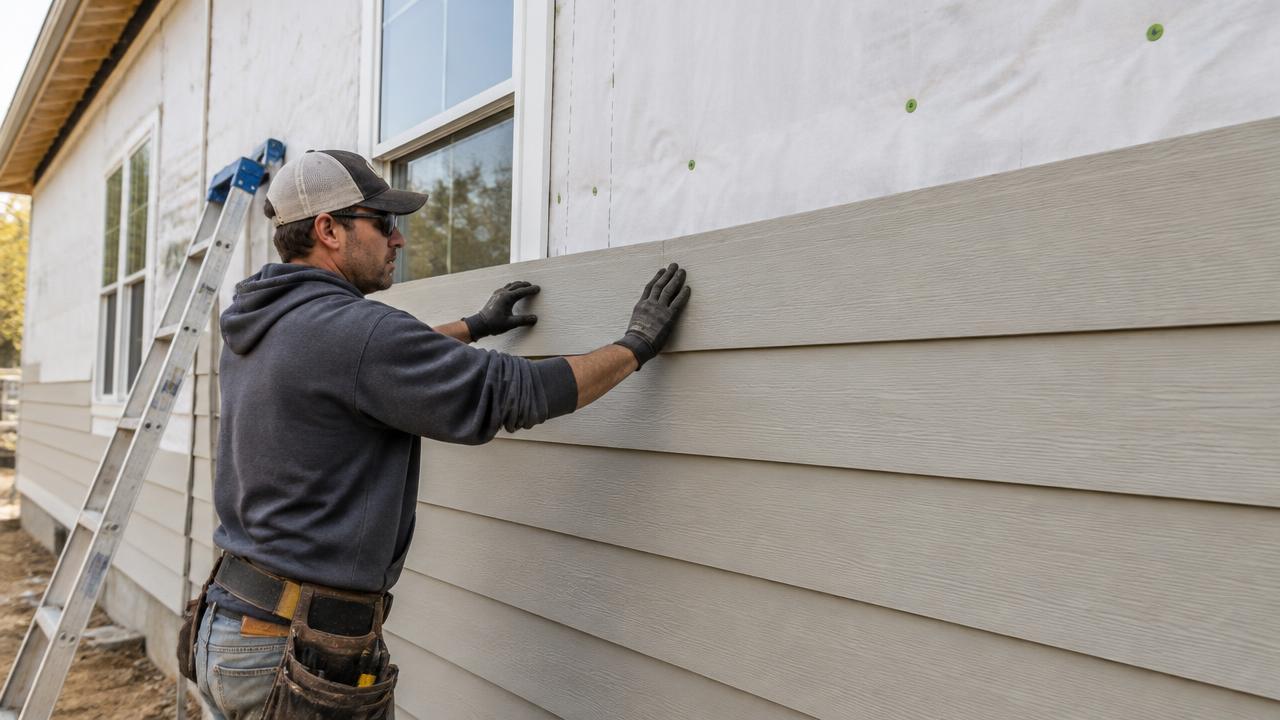
Like roofing, siding is often estimated in squares, where one square equals 100 square feet, around 9.3 square metres, of wall surface to be covered. The starting point for your estimate is the total exterior wall area of the house, which this calculator works out from the building's perimeter and wall height, then subtracts a typical allowance for windows and doors, since siding does not go over openings.
A house with many large windows will need noticeably less siding material than a similarly sized house with few openings, so the subtraction for openings genuinely matters for an accurate estimate, not just a minor adjustment.
Material choice drives most of the cost difference
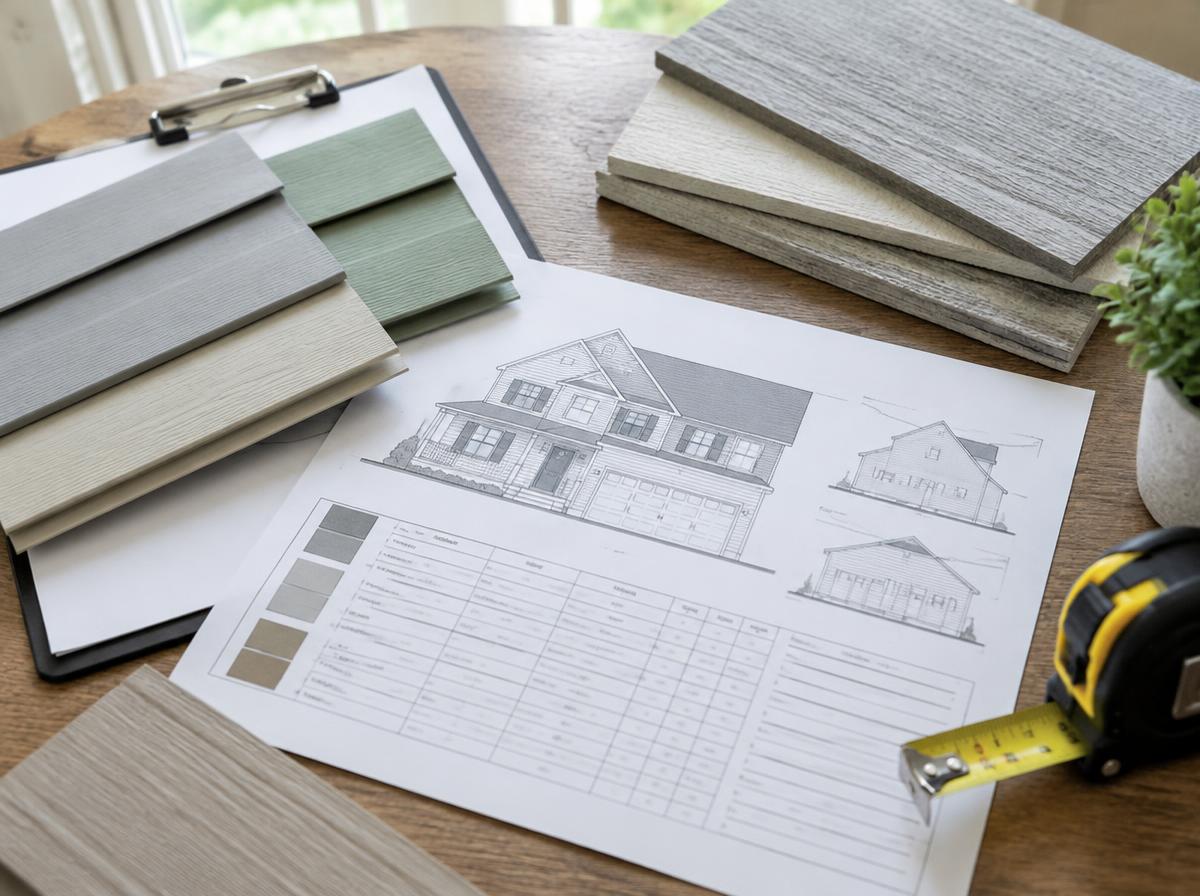
Vinyl siding is generally the most affordable option and is widely used because it needs little maintenance beyond occasional washing. Fiber cement siding costs more than vinyl in most markets but offers better durability and a more substantial look, and it holds paint well over a long lifespan. Wood siding, whether traditional clapboard or shingles, tends to sit at the higher end of the range and needs regular painting or staining to protect it from moisture and pests, which adds to its lifetime cost beyond the initial installation.
This calculator applies a cost per square for your chosen material, so you can see directly how much switching from vinyl to fiber cement or wood would change your total for the same house.
Waste, trim and tear-off
Cutting siding around corners, windows, doors and roof lines generates offcuts that cannot always be reused elsewhere on the house, so a waste allowance of roughly 10 to 15 percent on top of the calculated wall area is standard practice, with more complex homes needing a higher allowance. Trim pieces around windows, doors, corners and the roofline are priced separately from the flat siding panels and should be budgeted as their own line item.
If your project involves removing old siding first, factor in the cost of tear-off and disposal, and be aware that removing old siding sometimes reveals water damage or rot in the sheathing underneath that needs repair before new siding goes on.
Getting an accurate quote
Because siding installation quotes vary in what they include, from trim and flashing to tear-off and any sheathing repair, use our contractor quote comparison calculator to compare multiple quotes on an equal footing, and our renovation budget calculator to add a contingency for repairs found once the old siding comes off. If you already have a price per square from a supplier or installer, enter it using "Custom amount" rather than relying on the calculator's regional defaults.
Wall area, opening sizes and the condition of the existing sheathing all affect the final material order, so have an experienced siding contractor measure the house and confirm quantities before you commit to a purchase.
How it's calculated
Wall area = perimeter × average height, minus windows and doors. We add your waste allowance, convert to siding squares (100 sq ft each), and multiply by an installed price per sq ft or m² for the chosen material, adjusted for your area.
Worked example
A 160 ft perimeter at 18 ft high with 300 sq ft of openings: 2,880 − 300 = 2,580 sq ft, +10% = 2,838 sq ft (28.4 squares). In fiber cement: 2,838 × $9 ≈ $25,500.
Frequently asked questions
+How do I measure gable ends?
Measure the triangle as base × height ÷ 2 and add it to the wall area, or raise the average wall height to account for it.
+Which siding lasts longest?
Fiber cement and quality vinyl both last decades with little maintenance. Wood needs regular painting or staining.
+Does the cost include removing old siding?
The presets assume typical removal of one layer. Rotten sheathing or extra layers add cost.
+Is fiber cement safe to cut?
Cutting it releases silica dust. Use shears or a dust-collecting saw and wear a suitable respirator.
+Can I enter my own price?
Yes. Choose "Custom amount" under siding material.