How much does water heater replacement cost?
Tank versus tankless is the first major decision
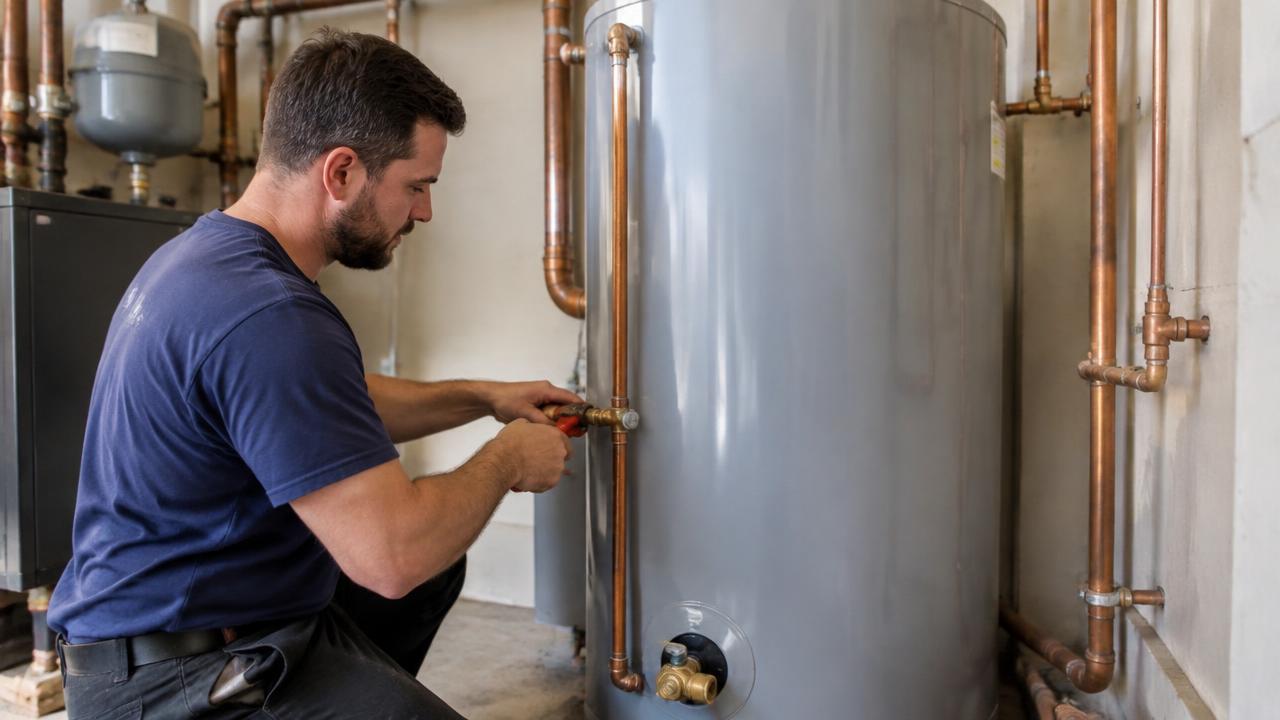
A conventional tank water heater stores and continuously reheats a set volume of hot water, while a tankless unit heats water on demand as it flows through, and these two types carry quite different equipment and installation costs. This calculator prices your replacement based on the type and capacity or flow rate you choose, since a larger tank or a higher-capacity tankless unit generally costs more both to buy and to install than a smaller one.
Tankless units often cost more up front, partly because they sometimes require upgraded gas lines, venting, or electrical service to run properly, but they take up less space and can last longer than a typical tank unit.
Fuel type affects both equipment and installation cost
Electric, natural gas, propane, and heat pump water heaters are all priced differently, and switching fuel types during a replacement, for example going from electric to gas, usually adds cost because it requires new gas lines or venting that a straightforward swap wouldn't need. A like-for-like replacement, same fuel type and similar capacity as the old unit, is typically the most straightforward and least expensive option.
Heat pump water heaters cost more up front than standard electric units but can be significantly more efficient to run, and some utilities offer rebates that offset part of the higher purchase price, so check local incentive programs before finalizing your choice.
Installation extras that come up often
Permits are commonly required for water heater replacement in many jurisdictions, and code updates, such as adding an expansion tank, a drain pan, or updated venting, are often required even on a simple swap if the existing setup doesn't meet current code. Removing and disposing of the old unit is typically a separate but usually modest cost on top of installation labor.
If your water heater is in a hard-to-access location, such as a cramped attic or crawlspace, expect installation labor to run higher than a unit located in a basement or garage with easy access.
Weighing repair against replacement
A water heater nearing the end of its typical service life, generally 8 to 12 years for a tank unit, is often more cost-effective to replace proactively than to repair repeatedly, especially once it starts showing signs like rust-colored water or inconsistent temperature. Our plumbing repipe cost calculator is worth a look if you're already addressing broader plumbing issues alongside a water heater swap.
How it's calculated
Unit price for the chosen grade and capacity × a type multiplier (tankless and heat pump units cost more to buy and install than standard tanks), plus installation labor, adjusted by your regional factor.
Worked example
A mid-range 50 gallon standard tank water heater in an average-cost area: $900 unit + $450 installation = $1,350. A tankless unit of similar grade runs closer to $2,430.
Frequently asked questions
+Tank vs tankless: which costs more upfront?
Tankless units and their installation typically cost 1.5-2x more than a standard tank because of venting, gas line or electrical upgrades, but they can last longer and save on energy.
+How long does a water heater installation take?
A straight tank swap usually takes 2-4 hours; tankless conversions or heat pump installs can take a full day due to venting or electrical work.
+Do I need a permit to replace a water heater?
Most areas require a permit for water heater replacement, especially for gas units, to verify venting and connections meet code.
+How do I pick the right tank size?
Size is based on household size and peak hot water demand; a plumber can calculate first-hour rating needs, or use 30-40 gal for 1-2 people, 50 gal for 3-4, and 75+ for larger households.
+Can I enter my own unit price?
Yes. Choose "Custom amount" under unit grade and enter the price from your supplier or contractor quote.